

Search Results forAustralia

Australian Open boosts Accor’s Melbourne hotel bookings
The Australian Open has provided a significant boost to Accor's Melbourne hotels, with occupancy rates nearing full capacity during the tournament's first week. The surge in demand began even before the event officially started, thanks to new activities at Melbourne Park that kicked off the tennis festivities early. Between 19-21 January, Accor's holdings increased by an average of 12% compared to the same period last year, as fans, teams, media, and event crews arrived early to enjoy the tournament. This trend continued throughout the event, resulting in a stronger year-on-year performance for the hotel group. Adrian Williams, Chief Operating Officer for Accor in the Pacific region, highlighted the impact of the Australian Open on Melbourne's tourism economy. "The uplift we saw during the first week, particularly the double-digit increase compared to last year, reflects how quickly demand intensifies when the city hosts events of this scale," he said. "It reinforces Melbourne’s position as a destination that consistently performs on the global stage." Looking ahead, Accor anticipates continued strong demand with the upcoming Formula 1 Australian Grand Prix from 5–8 March. Bookings for this event are already tracking ahead of last year, indicating another successful period for Accor's Melbourne hotels as the city continues to leverage global events for tourism growth This story was selected and published by a human editor, with content adapted from original press material using AI tools. Spot an error? Report it here.

Virgin Australia Launches First International Flights from Canberra with New Bali Route
Virgin Australia is set to make history in 2026, launching its first‑ever international service from Canberra with new direct flights to Bali starting 22 June 2026. The move will see the airline become the only Australia‑based carrier operating international flights out of the nation’s capital – and the only airline flying the Canberra–Bali route. Canberra Gets Its First Virgin Australia International Route From June 2026, Virgin Australia will connect Canberra directly with Denpasar, Bali, adding more than 40,000 seats each year between the ACT and Australia’s favourite overseas holiday hotspot. The route will operate seasonally from April to January with three return services per week, with scope to increase frequencies during peak school holiday and winter escape periods. Flights are on sale from 10am AEDT with return fares starting from $399 in Economy Lite, $499 in Economy Choice and $1,449 in Business, giving Canberrans a competitively priced, time‑saving alternative to driving to Sydney or connecting via other cities. Convenient Schedule Designed for Holidaymakers The new service has been structured around maximising holiday time in both directions. Services will depart Canberra in the afternoon, allowing travellers to work a half‑day or connect seamlessly from regional flights before boarding. Return flights will operate overnight from Bali, giving guests a final full day on the island before arriving back in the capital the following morning. This schedule is designed to appeal to families, couples and long‑weekend escapees looking to make the most of limited annual leave, while also suiting government and business travellers who need efficient access to Indonesia. What to Expect Onboard: 737 Comfort and Choice Virgin Australia will operate Boeing 737‑800 aircraft on the Canberra–Bali route, offering three seating choices: Business, Economy and Economy X. Economy X delivers extra legroom plus priority boarding, giving leisure travellers a more comfortable option on the six‑plus‑hour flight without stepping up to Business. Onboard, guests can expect Virgin Australia’s relaxed, friendly service, a buy‑on‑board food and beverage offering, and the ability to earn and redeem Velocity Frequent Flyer points and Status Credits on the new route. A Major Win for Canberra’s Connectivity This new route is a significant win for the ACT and a major milestone in Virgin Australia’s broader network expansion, marking the first time the airline has operated international flights from the nation’s capital and firmly positioning Canberra as more than just a domestic hub. Bali remains one of Australia’s most popular overseas holiday destinations, with strong, long-standing demand from Canberra and the surrounding region, and the new flights launch alongside an upgrade of Virgin Australia’s Brisbane–Canberra services from Alliance-operated F100 jets to Virgin’s own 737s, further boosting capacity into the capital. Part of a Growing Australia–Bali Network The Canberra–Bali flights will complement Virgin Australia’s existing direct Bali services from Melbourne, Sydney, Brisbane and the Gold Coast, creating a broader network of options for Australian travellers heading to Indonesia. Same-day domestic connections into and out of Canberra will also make it easier for travellers from other cities to route via the capital if it offers better timings or fares. With Indonesia now rivalling New Zealand as one of Australia’s top overseas destinations and Virgin Australia already carrying more than half a million guests a year between Australia and Bali, the new Canberra route arrives at a time of record demand. For Canberrans and regional travellers alike, Bali just became a whole lot closer.

Australia dominates regional event market as Melbourne prepares for AIME 2026
With the Asia Pacific Incentives and Meetings Event (AIME) 2026 coming up in Melbourne next week, Australia again comes to the fore of both the regional and global events industry. Around 750 exhibitors are set to bring their best to Australia for the occasion, and it is estimated that the event will welcome approximately 5,000 delegates from around the world. To go by an August 2025 report from 6W Research, the Australian meetings, incentives, conferences, and exhibitions sector (MICE) has recovered significantly from the losses incurred throughout the pandemic years. According to the report: “The country’s strategic geographic location, advanced infrastructure, and scenic destinations make it an attractive hub for international and regional business events.” The Australian formula for MICE success So, what specifically does this Antipodean nation have going for it with regard to its continued success in MICE? Consider this: the Australian government sees tourism and trade as two key pillars of the national economy, hence its active support for the industry which is further bolstered along by significant private investment in both convention infrastructure and event-centric technologies. Indeed, experts point out that: “The Australian MICE market is heavily influenced by government policies that support tourism and business events. The Australian Trade and Investment Commission (Austrade) plays a key role in promoting Australia as a destination for MICE tourism through international marketing campaigns and business event grants. The government offers funding to support business event organizers, including assistance with travel costs for international delegates and grants to host major conferences and exhibitions.” Another factor working in Australia’s favour is the way its event organisers, venues, and suppliers actively ensure that sustainability lies at the core of their work. Indeed, as policies around sustainability become more important and even mandatory, the Australian MICE sector has been shifting to greener practices in their operations. At the same time, digital transformation is another factor driving the growth of the sector; indeed, those pushing to invest in Australian MICE are putting their money into hospitality tech, smart venues, as well as business travel concierge startups. Challenges facing the industry But it is not all jam, so to speak for Australian MICE: the industry faces a number of issues that are affecting the way it operates. The AI Horizons Research report pointed out the following issues adversely impacting the industry: Supply chain disruptions even post-pandemic; Pricing pressures given the rising cost of living and inflation; and Regulatory barriers such as visa restrictions and health protocols. Costs, in particular, are a serious matter for the Australian MICE scene: rising costs for venue rental, accommodation, transport, and catering make it difficult to provide value-driven packages to clients. Visa restrictions are also an issue, as a good number of professionals in various fields tend to think twice before attending overseas events due to increasingly stringent regulations for application. Indeed, these two specific issues are driving those organising global events to contemplate other destinations within the Asia Pacific to host their functions, thus making industrial competition more intense on a regional, even global, level. How Australia can adapt and develop moving forward In an increasingly competitive industry, Australia has long had an advantage in the way it has adapted to changing situations over time. This resilience has helped it in the past and will continue to aid the industry moving forward. Resilience aside, the Australian MICE industry should also consider the following: Greater adoption of relevant technologies and hybrid events This entails the application of artificial intelligence in back-end services to enhance overall efficiency in operations, Augmented and virtual reality tech could also make hybrid events more interactive, allowing for wider regional and global reach at less cost to organisers; Sustainability and safety Event facilities that are both safe and eco-friendly, partnered with sustainable practices and stringent protocols will help boost participant confidence and also raise the country’s profile as a green and sustainable destination; and Improved human resources mechanisms We previously discussed the matter of staff burnout in our piece on mental health in the business events sector and the measures we recommended for preventing burnout among MICE professionals (and those in Australia are the most hard-working) apply in this case. Indeed, preventing staff burnout by avoiding back-to-back scheduling and increasing training, especially in IT and service standards, is vital for long-term sustainability for the industry. As the global MICE sector continues to evolve, so, too, do the individual sectors in each country. In Australia’s case, the MICE sector appears to be moving from strength to strength, rising above the competition to remain one of the best countries in the world for business events and other functions.

Fiji Airways CEO Paul Scurrah named to the Order of Australia
Fiji Airways managing director and chief executive Paul Scurrah was named a Member of the Order of Australia (AM) during the Australia Day honours on Monday, 26th January. Scurrah was recognized for his significant service and sustained impact to the transport, logistics, and freight industries in Australia. The newly-bestowed title also notes his exceptional leadership and enduring contribution at a national level in the industries and communities he served. On his personal LinkedIn account, Scurrah declared: "Today I am full of gratitude for the wonderful people who have guided and supported me throughout my career. To my family; the amazing leaders I have worked for and with; those friends and mentors who cared enough about me to give me feedback and guidance; and to the wonderful people and staff I have lead over the journey who have delivered amazing results, sometimes in unimaginably tough circumstances, I say a heartfelt thank you for putting me in the position to be honoured today.” A stellar career Prior to his current position at Fiji Airways, Scurrah served as chief executive of Virgin Australia, a post that he personally considers one of his finest moments despite its brevity. He said of his time with the airline: “Even though on my CV at Virgin is the shortest period of time in many senses, I was able to play a role in ensuring that there was a future for the people of Virgin, that the airline could compete with Qantas going forward and making sure that Australia had a robust competitive domestic airline industry, That was probably the proudest achievement of my career.” Throughout his career, Scurrah also held posts at Ansett, Queensland Rail, DP World Australia, and Pacific National. Since joining Fiji Airways in October of last year, he has led the airline with clarity of purpose, a strong commitment to safety and excellence, and a deep focus on people and culture which has served to guide it on its developmental journey.

First Cruise from Australia? 5 Best Destinations to Sail in 2026
If 2026 is the year you finally book your first cruise from Australia, think of it as choosing the easiest kind of holiday you’ll ever take. You unpack once, settle into your cabin, and let new coastlines, cultures and experiences come to you while someone else takes care of the logistics. This guide highlights five of the best regions for first‑time cruisers in the Australian market: the South Pacific, New Zealand, Queensland & the Great Barrier Reef, Tasmania, and short coastal “sampler” cruises from Sydney and Brisbane. Why a Cruise is Ideal for First‑Time Travellers For Australians, cruising bundles accommodation, dining, entertainment and transport into one upfront fare, making it a simple option whether you’re travelling as a couple, a family or with friends. Modern ships from lines such as Princess, Royal Caribbean and Carnival offer a mix of sea days, resort‑style pools and curated shore excursions, so you can be as relaxed or as busy as you like. Many 2026 itineraries depart directly from Sydney, Brisbane, Melbourne, Fremantle and Adelaide, so first‑timers can skip long‑haul flights and start their holiday as soon as they step onboard. South Pacific & Fiji – Classic First Cruise from Australia For countless Australians, a South Pacific voyage is the quintessential “first cruise” experience. Departing from Sydney, Brisbane or Melbourne, these itineraries visit islands in New Caledonia, Vanuatu and Fiji, with calm seas, warm weather and plenty of beach time. Typical ports include Nouméa, Lifou, Mystery Island, Vila and Denarau, with many itineraries adding a sea day at each end for poolside downtime. Why it works for first‑timers: Easy access from major Australian home ports, often with competitively priced fares. A relaxed mix of swimming, snorkelling, village visits and market browsing at each port. 7–10 night itineraries that feel like a proper holiday without needing too much annual leave. Best time to go: April to November for lower humidity and fewer tropical storms, avoiding peak school holidays if you want a quieter ship. New Zealand – Scenic Cruises for Nature Lovers New Zealand is the top overseas cruise destination for Australians in 2026, thanks to its spectacular coastlines and easy, English‑speaking ports. Cruises typically depart from Sydney, Brisbane or Melbourne and spend 10–14 nights visiting cities such as Auckland, Wellington and Dunedin, plus scenic cruising in Fiordland National Park. Why it works for first‑timers: Incredible scenic days sailing through fiords, sounds and along dramatic coasts. Walkable cities with cafés, museums, markets and shore tours that are easy to understand and book. Familiar currency and culture with just enough differences to feel like a true overseas holiday. Best time to go: November to March for the warmest weather and longer days; look at early or late season (November or March) for better value. 3. Queensland & the Great Barrier Reef – Sun, Reefs and Islands Queensland itineraries are soaring in popularity, with ports like Airlie Beach, the Whitsundays, Cairns and Hamilton Island ranking among Australians’ favourite cruise destinations for 2026. Most cruises depart from Sydney or Brisbane and run 7–10 nights, combining coral reef excursions, rainforests and laid‑back coastal towns. Why it works for first‑timers: No passport needed, making it ideal if you’re new to overseas travel. Easy days spent reef‑snorkelling, lazing on white‑sand beaches or wandering waterfront esplanades. Weather that suits families and sun‑seekers, plus shorter flights or drive‑to access to embarkation ports. Best time to go: The dry season from May to October, especially for Great Barrier Reef clarity and milder humidity. 4. Tasmania – Short Breaks with Big Scenery If you’d like a “test run” before committing to a longer voyage, look at 4–7 night cruises from Sydney or Melbourne to Tasmania. Many itineraries combine Hobart with Port Arthur, scenic coastal cruising or an extra port such as Burnie. Why it works for first‑timers: Shorter sailings that fit into a single week of leave or a school holiday break. A mix of convict history, cool‑climate wine, MONA, markets and wild coastlines, all without airport transfers at either end. Mild summer temperatures that are ideal if you prefer crisp air to tropical heat. Best time to go: November to March for the best weather and longest daylight hours. 5. Short Coastal “Sampler” Cruises – Try Before You Commit If you’re unsure whether cruising is for you, short sampler voyages are the easiest way to dip a toe in. In 2026, several lines offer 2–5 night round‑trip sailings from Sydney, Brisbane and Melbourne, often visiting nearby ports like Eden, Hobart or Moreton Bay, or simply offering a weekend at sea with no international stops. Why it works for first‑timers: Low‑commitment way to experience ship life, dining and entertainment. Ideal for birthday weekends, hens/ bucks, or a quick escape without using much annual leave. Often some of the best‑value cruise fares on the market per night. Best time to go: Throughout the Australian cruise season (roughly October to April), with shoulder‑season dates often priced very competitively. Quick Guide: Choosing Your First Cruise Destination Priority Best destination(s) Why it’s great for first‑timers Typical length When to go first Best value South Pacific in shoulder season Lower fares, round‑trip from Aussie ports, warm weather 7–10 nights April–June, Oct–Nov (outside school holidays) Maximum variety in a week South Pacific or Queensland islands Multiple ports, easy beach days, shortish sea legs 7 nights Main season; best value outside peak holidays Nature and wow‑factor New Zealand or Queensland & Great Barrier Reef Fiords, reefs, wildlife and big landscapes 10–14 nights Nov–Mar for NZ; May–Oct for Reef Culture and city‑hopping New Zealand city‑focused itineraries Walkable ports with museums, cafés, markets 10–14 nights Nov–Mar Easygoing short break Tasmania or 2–5 night coastal samplers Short cruises, minimal time off work, simple logistics 2–7 nights Oct–Apr Frequently Asked Questions for First‑Time Australian Cruisers Is a cruise a good idea for my first overseas‑style holiday? Yes. Cruises from Australia combine your cabin, most meals, entertainment and transport into one fare, so you see multiple destinations without constantly packing, unpacking or navigating airports. How long should my first cruise be? Many Australians start with 7–10 nights to the South Pacific or New Zealand, or opt for a 3–5 night sampler along the coast if they want to “try before they buy.” What’s usually included in the fare? Your cruise fare generally covers your stateroom, main‑dining and buffet meals, theatre shows, kids’ clubs and many onboard activities; extras like specialty restaurants, shore excursions, drinks packages and Wi‑Fi can be added based on your budget. Do I need a passport for my first cruise? For domestic‑only cruises to Australian ports you may not need a passport, but you will for international itineraries to the South Pacific, New Zealand and beyond; always check requirements with your chosen cruise line and your travel agent. If you tell me which of these five regions you want to spotlight on your site first, I can draft a shorter landing‑page version tailored to that destination.

Emirates and Marriott launch Ritz-Carlton Lodge in Australia
Emirates and Marriott International have announced a landmark collaboration to open the world's first Ritz-Carlton Lodge in Australia's Wolgan Valley by mid-2026. This 40-key luxury lodge will be situated on a 7,000-acre conservancy in the Greater Blue Mountains World Heritage area, marking a significant milestone for New South Wales' regional tourism. The project, named Emirates Wolgan Valley, a Ritz-Carlton Lodge, aims to set a new standard for luxury travel by offering an immersive sanctuary that blends wilderness with comfort. The lodge will feature 40 elegantly appointed lodges, each with private pools and bespoke amenities. Guests will have the opportunity to engage in unique region-specific experiences, including a signature sleepout adventure under the clear night skies. Emirates has invested $96 million (AU$150 million) in the Wolgan Valley Resort since 2006, with an additional $32 million (AU$50 million) allocated for renovations in partnership with Marriott. This investment underscores Emirates' commitment to the region, which has included extensive conservation efforts and the restoration of historical landmarks. The lodge is expected to create approximately 150 jobs and boost the local economy by engaging local suppliers. Guests will access the resort via a four-wheel drive service or helicopter, adding to the rural off-road experience. Rajeev Menon, President of Asia Pacific excluding China at Marriott International, stated, "We're honoured to collaborate with Emirates on this milestone development, which sees the world's largest hotelier and the world's largest international airline come together to reinvigorate the luxury tourism offering in New South Wales." The lodge will complement The Ritz-Carlton's existing presence in Australia, which includes locations in Perth and Melbourne. With demand for premium nature-based experiences at an all-time high, the lodge is poised to become a major draw for international and domestic travellers alike. ```

Qantas and Virgin Australia Named Among World’s Safest Airlines for 2026
Australia’s two major carriers, Qantas and Virgin Australia, have been ranked among the world’s safest airlines for 2026 in the latest AirlineRatings.com global safety index. In a strong showing for Australian aviation, Qantas placed third and Virgin Australia ninth in the Top 25 list of full-service airlines, reinforcing both brands’ reputations for safety, training and operational reliability. Etihad Tops 2026 Global Airline Safety Rankings For the first time, a Gulf carrier has taken out the top spot in AirlineRatings.com’s annual safety rankings, with Etihad Airways named the world’s safest full-service airline for 2026. The Abu Dhabi-based airline was recognised for its young fleet, crash-free history, cockpit safety advancements (particularly around turbulence) and the lowest incident rate per flight of any carrier on the list. Cathay Pacific secured second place, followed by Qantas in third, Qatar Airways in fourth and Emirates in fifth, all drawn from an assessment pool of 320 airlines worldwide. The rankings weigh factors such as incident rates, fleet age, serious safety events, pilot training, and compliance with international safety audits. Qantas and Virgin Australia in the Top 10 Qantas once again features prominently, taking third place among full-service airlines and maintaining its long-standing position as one of the world’s safest carriers. Virgin Australia also earned a coveted Top 10 position, ranking ninth and underlining the strength of Australian safety standards across both international and domestic operations. Alongside Qantas and Virgin Australia, the full-service Top 10 for 2026 includes Cathay Pacific, Qatar Airways, Emirates, Air New Zealand, Singapore Airlines, EVA Air and Korean Air, creating a tightly packed field of global leaders. AirlineRatings CEO Sharon Petersen notes that the performance gap at the top is now so narrow that small numerical differences should not be over-interpreted. How AirlineRatings.com Measures Airline Safety AirlineRatings.com evaluates 320 airlines each year, using a multi-factor methodology that includes: Incident rates per number of flights, adjusted for scale of operations. Serious accidents and safety events over recent years. Fleet age and aircraft maintenance profile. Pilot training practices and internal safety culture. Results from international safety and IOSA audits. For the 2026 report, the index places greater emphasis on turbulence prevention and cockpit safety measures, reflecting the fact that turbulence remains the leading cause of in-flight injuries. Despite every airline on the list experiencing some incidents—from tail strikes to engine shutdowns—the incident rate per flight across the Top 25 sits between just 0.002 and 0.09, which Petersen calls a “true credit to the industry as a whole.” Safest Low-Cost Airlines: HK Express, Jetstar and Scoot In the low-cost category, Hong Kong-based HK Express has been named the world’s safest budget airline for 2026, retaining its top position for a second time. Jetstar Airways, part of the Qantas Group, ranked second, giving Australia another strong result, while Scoot, the low-cost arm of Singapore Airlines, placed third. HK Express was praised for its modern fleet, exceptionally low incident rate and near-flawless onboard safety audits—particularly noteworthy given Hong Kong’s very strict incident reporting requirements. Other low-cost names in the Top 10 include flydubai, EasyJet Group, Southwest, airBaltic, VietJet Air, Wizz Air Group and AirAsia Group. Why These Rankings Matter for Travellers For travellers comparing airlines on busy routes across Asia-Pacific, Europe and the Middle East, the 2026 AirlineRatings.com list offers an independent snapshot of global safety leaders. However, Petersen stresses that all airlines in the Top 25 full-service and low-cost lists are considered world-class in safety terms, and that claims one is “significantly safer” than another within these groups are more sensationalist than factual. For Australian flyers, the results reinforce that choosing Qantas, Virgin Australia or Jetstar means flying with carriers recognised at the very top of global safety benchmarking—complementing their recent rankings among the most punctual airlines in the Asia-Pacific region.

Goodbye Last‑Minute Deals: Why Planes To and From Australia Will Be Fuller Than Ever in 2026
If 2025 felt busy in the skies, 2026 is shaping up to be even more crowded – and that has big implications for anyone flying to, from or within Australia, whether you are coming from North America, Europe or across Asia. Airlines globally are expected to fill around 83.8% of all seats in 2026, with passenger numbers forecast to hit about 5.2 billion and capacity still lagging behind demand. In practice, that means fewer empty seats, tighter availability and far less room for those spontaneous, last‑minute bargains Australians once relied on for cheap getaways. Why Last‑Minute Deals Are Becoming Rarer Several overlapping trends are driving up load factors and squeezing supply worldwide – and Australians are feeling it at home and on long‑haul routes. Record demand for flying: After the post‑pandemic surge, demand has stabilised at very high levels rather than dropping back. IATA expects passenger traffic to grow another 4.9% in 2026, led by strong expansion in Asia‑Pacific and steady demand on long‑haul routes that connect Australia with North America, Europe and key Asian hubs. Capacity constraints: Airlines want to add more flights, but delayed aircraft deliveries, engine issues and supply‑chain bottlenecks mean part of the global fleet is grounded or spending longer than planned in heavy maintenance. Industry forecasts suggest the world is effectively “short” thousands of aircraft compared with where capacity would be if pre‑COVID growth trends had continued. Older aircraft kept in service: With new jets arriving late, many carriers are sweating their existing fleets harder and keeping older aircraft flying for longer instead of adding large numbers of extra seats. The result is a new normal in which flights routinely go out close to full – particularly at peak times – and airlines have far less incentive to slash prices on unsold seats at the last minute. What This Means for Flying To, From and Around Australia For travellers heading to Australia, or Aussies heading overseas or around the country, these global trends are especially visible on long‑haul and high‑demand domestic routes. Asia‑Pacific is already the engine of global air travel growth, with load factors around or above 84%, and Australian domestic flights have seen similar patterns: the ACCC reports that 84.4% of domestic seats were filled in October 2025, one of the highest levels since monitoring began. In real terms: Peak seasons will be packed: Expect very high occupancies over the southern summer (December–February), Easter, school holidays and major events – not just on routes like Sydney–LAX, Melbourne–London or Brisbane–Singapore, but also on key domestic sectors such as Sydney–Melbourne–Brisbane and holiday runs to the Gold Coast, Sunshine Coast, Cairns, Perth, Adelaide and Hobart. Less flexibility for “winging it”: Travellers from North America or Europe looking to book Australia at the last minute will see fewer seat options and much higher fares, especially in premium cabins, as airlines prioritise yield over deep last‑minute discounting. Asia connections under pressure: Asia remains the main bridge between Europe, the Americas and Australia. With some Asian and Middle Eastern hubs also contending with high demand and capacity constraints, key gateways such as Singapore, Hong Kong, Doha and Tokyo are running very high load factors, compressing availability on through‑tickets into and out of Australian cities. The era of casually snapping up a cheap last‑minute fare from London to Sydney, LAX to Melbourne or Singapore to Brisbane is rapidly giving way to a market where planning ahead matters much more. How Seasonality Still Helps Savvy Aussie Travellers The upside is that not every month and route will be equally tight. Even in a high‑load‑factor world, demand still ebbs and flows – and Australians who use seasonality to their advantage can still find relative value. Shoulder seasons are your friend: For inbound visitors and Aussies heading overseas, travelling in March–May or August–early September often means fewer crowds and more manageable fares compared with Christmas, New Year and peak school‑holiday windows. Mid‑week and off‑peak timings: Tuesday and Wednesday departures, and very early‑morning or late‑night flights, generally face less pressure than Friday–Sunday peaks, which can translate into better availability or slightly softer pricing even when overall capacity is tight. Alternative gateways and domestic hops: Considering gateways like Adelaide, Perth, Cairns or Brisbane – then connecting domestically – can sometimes unlock seats and better pricing than insisting on Sydney or Melbourne for every long‑haul arrival and departure. The same logic applies for Aussies travelling into or via Asia: avoiding Lunar New Year, Golden Week and other major regional holidays, and targeting shoulder‑season windows, can make a real difference in both choice and cost. How Australians Can Win in a High‑Load‑Factor World With airlines expected to fill nearly 84% of seats in 2026 and Asia‑Pacific demand leading global growth, planning will become one of the most valuable travel skills for Australians. A few practical tactics: Book earlier than you think: For long‑haul trips to or from Australia during peak times, think in terms of booking several months – not weeks – in advance, especially if you need school‑holiday dates or multiple seats together. Use fare alerts and flexible‑date tools: Set up price alerts on your preferred routes and use flexible‑date searches to spot cheaper days or alternative airports before locking anything in. Leverage points and status: Qantas, Virgin Australia and global alliance partners all offer extra value to frequent flyers when flights are full, from better access to reward seats (if booked early) to improved odds on waitlists or last‑seat inventory. Consider mixed cabins or split tickets: For trips from Australia to Europe or North America, combining economy long‑haul with premium economy or business on shorter sectors, or piecing together separate tickets via Asia or the Middle East, can sometimes beat through‑fares – but it requires careful planning, longer connections and good travel insurance. Think beyond planes on domestic legs: On some routes, particularly along the east coast, Australia’s growing rail and coach networks can be smart alternatives when short‑haul flights are expensive or sold out. The Bottom Line for Flying in 2026 For Australians heading overseas – and for visitors coming down under – the message for 2026 is clear: the age of abundant spare capacity and easy last‑minute bargains is on the way out, at least for now. With record global load factors, aircraft shortages and strong demand across all major regions, planes will be fuller, eleventh‑hour fares will be less volatile, and improvising will carry more risk than reward. For those willing to plan ahead, travel off‑peak and stay flexible on dates and routing, great trips are still absolutely possible – but in 2026, the best deals for Australia‑bound and Aussie travellers alike will go to the early planners, not the last‑minute gamblers.

New Flights from Australia: How Fiji Airways and Finnair Are Changing the Game for 2026 Travel
Two very different airlines have just delivered the same good news for Australian travellers: more choice, more connections and smoother routes for 2026. In late December, Fiji Airways and Finnair each announced new services that will reshape how Aussies reach the Pacific islands and Northern Europe, opening up fresh options for both holidaymakers and long‑haul flyers. Fiji Airways: Gold Coast Gets a Nonstop “Bula” Fiji Airways is strengthening its ties with Australia by adding the Gold Coast as its seventh Australian destination, with nonstop Nadi–Gold Coast flights launching on 11 June 2026. The route will operate three times a week from Nadi (Mondays, Thursdays and Saturdays) using a Boeing 737 MAX 8, putting Fiji just over three hours from the Gold Coast. Gold Coast joins Cairns, Brisbane, Sydney, Canberra, Melbourne and Adelaide in the airline’s growing Australian network, reinforcing Fiji’s role as a key hub between Australia, the Pacific and North America. According to Gold Coast Airport, the new service will not only make holidays to Fiji easier, it will also open one‑stop options from the Gold Coast to long‑haul destinations such as Los Angeles, San Francisco, Dallas, Vancouver and Honolulu via Nadi. For Queenslanders, that means: Shorter overall travel times to Fiji and beyond Avoiding busy capital‑city hubs Easier access to Fiji’s resorts plus onward connections across the Pacific When combined with the carrier’s Cairns–Nadi route (launched in April 2025), Fiji Airways is clearly betting on northern and coastal Australia as growth markets for both leisure and connecting traffic. Finnair: Helsinki–Melbourne Opens a New Path to Europe While Fiji Airways is tightening links with the Pacific, Finnair is preparing to touch down in Australia for the very first time in its 100‑plus‑year history. From 25 October 2026, the Finnish flag carrier will launch a daily Helsinki–Melbourne service via Bangkok, operated by Airbus A350 aircraft. Key details of the new route include: Daily, year‑round service between Helsinki and Melbourne, with a short stop in Bangkok (a so‑called “fifth freedom” sector between Thailand and Australia). Tickets went on sale in December 2025, giving Australians and Europeans ample time to plan 2026–27 trips. For Australian travellers, Finnair’s arrival means: A new one‑stop option to Northern Europe and Scandinavia, connecting through Helsinki to destinations like Stockholm, Copenhagen, Oslo, Tallinn and beyond. Access to Finnair’s A350 cabins and Nordic‑style service, which typically feature quiet, fuel‑efficient aircraft, modern business class and a well‑regarded premium economy product on long‑haul routes. More competition and potentially sharper fares on Europe‑bound itineraries, especially for those happy to route via Bangkok rather than the traditional Middle East or Asian mega‑hubs. Finnair is part of the oneworld alliance and now uses Avios as its loyalty currency, which makes the new Melbourne route particularly attractive for frequent flyers looking to redeem or earn points on a fresh Europe–Australia option. Why These New Routes Matter for Australian Travellers Taken together, Fiji Airways’ Gold Coast service and Finnair’s debut Melbourne route underscore how quickly Australia’s international connectivity is evolving ahead of 2026. More regional access: Gold Coast and Cairns now have direct links to Fiji’s hub, reducing the need for Queensland travellers to backtrack via Sydney or Brisbane for Fiji and many North American destinations. New Europe gateway: Helsinki joins the list of viable one‑stop options between Australia and Europe, giving travellers an alternative to long‑established routes via the Middle East, Singapore or Hong Kong. Better connections and choice: Both routes are designed with onward connectivity in mind – from Fiji’s Pacific and North American links to Finnair’s dense Northern European network – translating into more itinerary combinations and potentially improved pricing and availability. For Aussie travellers planning ahead, the message is simple: 2026 will bring more ways to reach both the islands of the South Pacific and the cities of Northern Europe, with new aircraft, new hubs and new chances to turn a simple trip into something more adventurous.

Australia and New Zealand airlines rank among world’s safest
Airlines from Australia and New Zealand have been recognised as some of the safest in the world, according to the latest rankings by AirlineRatings.com. The assessment, which evaluated the safety performance of 320 carriers globally, placed Qantas in third place, Air New Zealand in sixth, and Virgin Australia in ninth within the full-service category. Additionally, Jetstar was named the second safest low-cost carrier worldwide. The chair of Airlines for Australia and New Zealand (A4ANZ), Graeme Samuel, highlighted the region's longstanding commitment to a 'safety-first culture'. "The 2026 global airline safety rankings are a testament to the continued and unwavering commitment Australia and New Zealand's airlines have to delivering the highest standards of safety and operational excellence," he stated. Constantly compliant AirlineRatings.com conducts its annual review based on stringent criteria, including safety, operational performance, and crew standards. The consistent presence of A4ANZ member airlines at the top of these rankings underscores their leadership in global aviation safety. Samuel added, "These results reinforce what we already know: Australia and New Zealand's airlines are truly world-class. This achievement reflects the hard work and laser focus on safety by thousands of dedicated professionals across our member airlines." The recognition of these airlines not only highlights their dedication to safety but also sets a benchmark for operational excellence in the aviation industry. ```


South Australian Tourism Commission
250 Victoria Square, Adelaide

AIME 2026: 9–11 February 2026 | Melbourne, Australia
Where the business events world meets in Asia Pacific The Asia Pacific Incentives and Meetings Event – AIME – is

AIME 2025 – 10 – 12 February 2025 • MELBOURNE, AUSTRALIA
The Asia Pacific Incentives and Meetings Event (AIME) is the leading trade event for the meetings and event industry in the Asia Pacific region. AIME is where industry decision makers connect, create and do business. We bring together international and local event planners and connect them with the best destinations, venues and event suppliers from around the world. AIME 2025 will be held at the Melbourne Convention & Exhibition Centre from 10 – 12 February.

AIME 2024 – 19 – 21 February 2024 • Melbourne, Australia
The Asia Pacific Incentives and Meetings Event (AIME) is the leading trade event for the meetings and event industry in the Asia Pacific region. AIME is where industry decision makers connect, create and do business. We bring together international and local event planners and connect them with the best destinations, venues and event suppliers from around the world. AIME 2024 will be held at the Melbourne Convention & Exhibition Centre from 19 – 21 February.

AHICE Maldives 2026
AHICE Maldives 2026 Tuesday 13 October 2026 Kurumba Maldives The Asia Pacific Hotel Industry Conference & Exhibition (AHICE) Maldives Hotel

AHICE Far East Asia 2026
PRESENTING AHICE Far East Asia Wednesday 2 & Thursday 3 September 2026 Grand Prince Hotel Takanawa, Tokyo, Japan The Asia

AHICE South East Asia 2026
PRESENTING AHICE SOUTH EAST ASIA Tuesday 10 & Wednesday 11 March 2026 Pan Pacific Singapore The Asian Hotel Industry Conference

AHICE Asia Pacific 2026
AHICE Asia Pacific 2026 Wednesday 6 – Thursday 7 May 2026 Adelaide Oval, South Australia In 2025, the 16th edition

Maximum Occupancy Melbourne – 11th November 2025
Maximum Occupancy Melbourne 11th November 2025 Maximum Occupancy stands as APAC’s foremost hotel conference, tailored by industry leaders for

Asian Hotel Industry Conference & Exhibition (AHICE) – 24-26 February, 2025 Singapore.
Join the conversation where deals get done at AHICE South East Asia 2025 Monday 24, Tuesday 25 & Wednesday 26 February 2025 Pan Pacific Singapore

Vietnam Tourism Open 2024
The Vietnam Tourism Open 2024, hosted by GolfLux, is set to be a remarkable event in the world of amateur golf, taking place from March 17 to 21, 2024, in Hanoi, Vietnam. This tournament, organized in collaboration with the Vietnam National Administration of Tourism, aims to showcase Vietnam's rich cultural heritage and stunning landscapes, alongside promoting its burgeoning tourism industry.

AHICE SE Asia 2024 – 27 to 29 February 2024, Singapore
The Asian Hotel Industry Conference & Exhibition (AHICE), hosted by HM Magazine is set to make its South East Asia debut in February 2024 on Tuesday 27, Wednesday 28 and Thursday 29 in Singapore.

Webinar: Small Ship Expeditions – Antarctica 23/24 + New Arctic 23
Dive right into Aurora Expeditions' brand new 2023/24 Antarctic season and updated 2023 Arctic & Global season by joining us at our series of Launch Events across Australia and New Zealand.
Webinar: Small Ship Expeditions – Antarctica 23/24 + New Arctic 23
Dive right into Aurora Expeditions' brand new 2023/24 Antarctic season and updated 2023 Arctic & Global season by joining us at our series of Launch Events across Australia and New Zealand.

Win the ultimate luxury experience worth over $25,000NZD
In partnership with Queenstown Tourism, here is your chance to spend a week experiencing the best Queenstown has to offer for your clients.

Maximum Occupancy 2022: Sheraton Grand Sydney, 5-6 April 2022
Maximum Occupancy is Australia’s premier hotel and accommodation industry conference, designed for and by the hotel industry's leaders. Suited for all types of hotel and accommodation providers and sizes, it will feature over 35+ leading industry experts and speakers from around Australia and the globe. This is THE event for any hotelier that wants to achieve maximum occupancy month after month.

March: Fitz Club’s Popular Annual Tennis Tournament Returns on 27-29 March 2020
Mark your calendars! Royal Cliff Hotels Group will be staging its popular 12th Fitz Club Tennis Tournament from 27 – 29 March 2020. This year’s category is 35+ Men Singles & ladies Open for tennis players of all skill levels.

How does a night of luxury including breakfast for 2 sound??
In conjunction with Westin Grande Sukhumvit, TD is giving you the opportunity to experience a night of luxury just by answering this one simple question
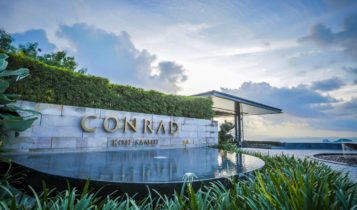
Luxury Oceanfront Pool Villa seeks fun-loving travellers! Apply within
In partnership with TD, Conrad Koh Samui is giving you the opportunity to win two nights in a Oceanfront Pool Villa including breakfast for two all by answering one easy question.

Win 2 nights in a Ocean front Balcony Pool Suite at SALA Samui Chaweng Beach!
SALA Samui Chaweng Beach Resort is Koh Samui’s stunning new 5-star pool suite and villa beach resort and spa. Replete with a white sandy beach, luxury pool villas and all the amenities needed to create a magical getaway drenched in sunshine -- it really is the quintessential Asian paradise.
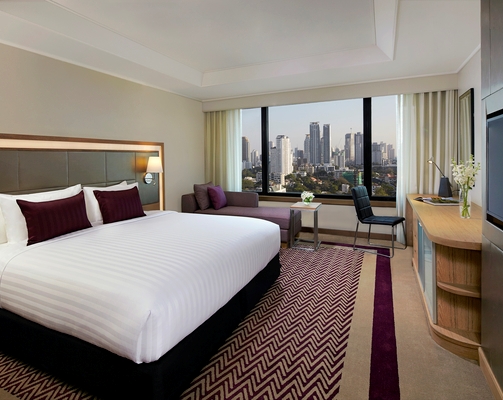
Win two nights at the AVANI Atrium Bangkok
Travel Daily Asia has teamed up with AVANI Atrium Bangkok to offer travel professionals the chance to win a 2-night